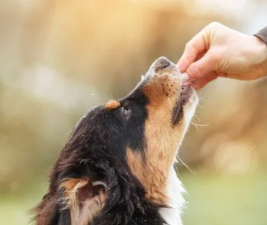
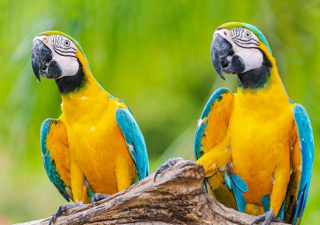
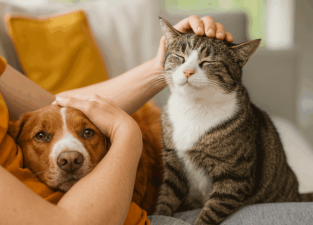
Pets can't speak, but they communicate with their owners daily through various behaviors. From a dog's constant tail wagging to a cat rubbing against your legs, rolling over, and kneading, to a rabbit suddenly stomping its paws and a bird preening its feathers, these seemingly ordinary actions actually convey different messages. Some behaviors represent happiness and trust, while others express stress, warnings, or physical discomfort. Learning to interpret these "body languages" not only helps owners better understand their pets but also allows them to detect their needs and health changes promptly.
Animal behavior research shows that most pet behaviors stem from instinct, natural instincts, and communication methods developed through long-term domestication. While there are differences between breeds and individuals, many behaviors share common meanings. For pet owners, understanding these signals is more important than simply relying on experience. Below, let's look at some of the most common but often misunderstood pet behaviors.
A dog wagging its tail constantly doesn't necessarily mean it's happy
Many people believe that whenever a dog wags its tail, it expresses happiness.
In reality, tail wagging is just one way dogs express emotions, and different postures represent different meanings.
For example:
- A naturally wagging tail: relaxed and friendly.
- Rapid wagging accompanied by a relaxed body: Excitement, anticipation.
- Tail held high and stiff: Alertness or tension.
- Tail tucked between legs: Fear, insecurity.
Therefore, judging a dog's emotions requires a comprehensive analysis of its ears, eyes, and body posture.
When a cat rubs against your legs, it leaves its scent
Cats often gently rub their cheeks or bodies against their owners.
This behavior is not only affectionate but also a way for cats to leave their scent marks through their facial scent glands.
For cats, this represents:
- Trust in their owner.
- Considering you a family member.
- Establishing a familiar and safe environment.
If a cat rubs against you proactively, it usually indicates that it has a strong affection for you.
When a cat rolls onto its back, it's not necessarily inviting you to pet it
Exposing their belly is one of the most relaxed postures for cats.
Since the abdomen is the most vulnerable part of a cat's body, their willingness to expose it shows a high level of trust in their surroundings.
However, this doesn't mean that all cats enjoy having their bellies touched. Some cats might immediately cuddle and gently nip your hand after being touched. This is their instinctive defensive reaction, not intentional aggression.
Dogs always sniff around, actually "gathering information."
During walks, dogs often stop to sniff the grass, telephone poles, or trees.
These scents contain a wealth of information, such as:
- Which dogs have been there.
- Their age and sex.
- Whether they are in heat.
- Their health status and territory.
For dogs, smelling is as important as reading the news for humans.
Cats kneading is a continuation of childhood memories
Many adult cats still retain the habit of kneading soft objects.
This behavior originates from kittenhood; they would knead their mother's belly to stimulate milk production.
As adults, this action still occurs naturally when cats feel relaxed, safe, or happy.
Some cats will even purr while kneading, which usually indicates they are very content.
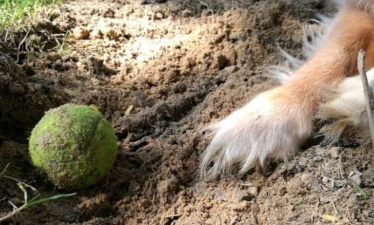
When a dog gives a toy to its owner, is it sharing or an invitation?
When a dog brings a toy to its owner, it's usually expressing one of the following:
- Wanting to play.
- Seeking attention.
- Sharing something it likes.
- Expecting a response from its owner.
Responding positively to this interaction helps strengthen the bond between owner and pet.
A rabbit stomping its feet is a warning of danger
When a rabbit suddenly stomps its hind legs heavily, it's usually not playing.
In the wild, this is a way of alerting its companions to danger.
If your pet rabbit stomps its feet frequently, it might mean:
- Hearing an unfamiliar sound.
- Being suddenly startled.
- Feeling stressed about its environment.
- Disliking the current interaction.
The owner should observe the surroundings and help the rabbit feel safe.
Birds preening their feathers is mostly normal behavior
Parrots, canaries, and other birds spend a lot of time preening their feathers every day.
This helps them:
- Remove dust.
- Keep their feathers clean.
- Distribute feather oils evenly.
- Help their feathers maintain good insulation and flight performance.
However, excessive plucking of feathers by a bird may be related to stress, illness, or environmental problems, requiring prompt investigation to determine the cause.
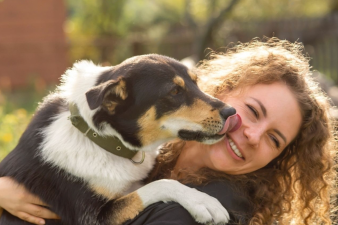
Why do pets always like to follow their owners?
Whether cats or dogs, some pets always like to follow their owners around.
This behavior may indicate:
- They see their owner as a source of security and support.
- They are curious about what their owner is doing.
- They want companionship.
- They are waiting for food or a walk.
For most household pets, this is a manifestation of trust and dependence.
How to more accurately understand pet behavior?
When judging a pet's behavior, don't just look at a single action, but consider the overall situation.
It is recommended to observe the following aspects:
- Is the body posture relaxed?
- The position and direction of the ears.
- Is tail movement natural?
- Is the eye expression tense?
- Is the current environment unfamiliar or noisy?
By comprehensively analyzing this information, you can more accurately understand what your pet is truly trying to express.
Conclusion
Pets communicate with us every day in their own way, but this language doesn't rely on words; instead, it's expressed through actions, expressions, and behaviors. From a cat rubbing against your leg and kneading, to a dog sniffing and wagging its tail, every seemingly ordinary action contains a wealth of information. As owners, learning to observe and understand these behaviors not only helps build a more harmonious human-pet relationship but also helps in the timely detection of changes in your pet's emotions and health issues. When we truly understand their "language," the companionship between humans and pets becomes warmer and more meaningful.